

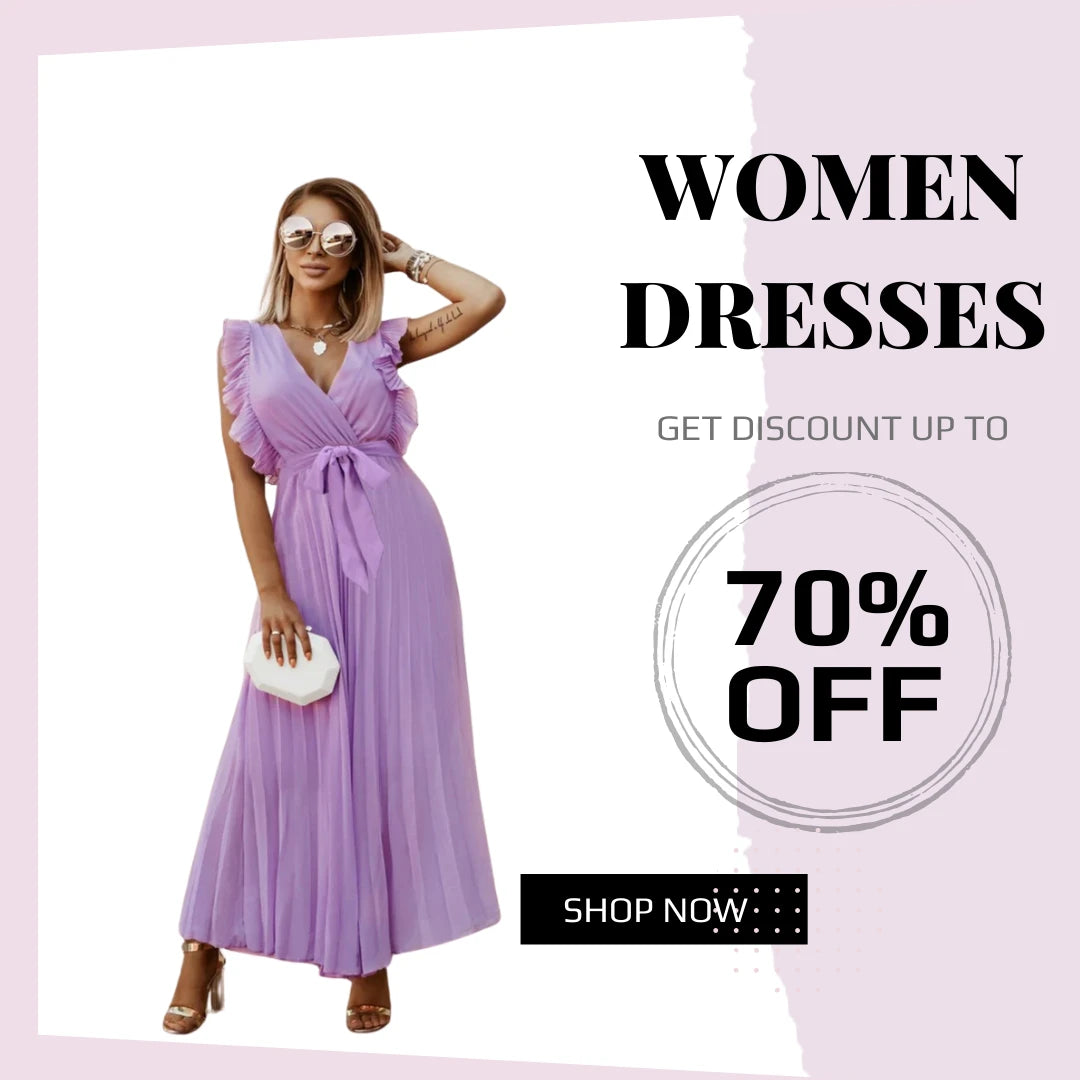


Throughout history, women dresses have served as a canvas reflecting cultural, social, and political transformations. From ancient civilizations to the modern-day fashion scene, let's unravel some intriguing aspects of how women dresses have evolved.
Table of Contents
- Table of Contents
- The Evolution of Dresses Through the Ages
- Diverse Collections for Every Occasion
- Style and Function: A Timeless Journey
- Enhance Your Dress with Accessories
- FAQs
The Evolution of Dresses Through the Ages

- Ancient Beginnings: In ancient times, women dresses were primarily made from simple materials like wool and linen. The designs were often straightforward but imbued with cultural significance. The Greeks and Romans, for instance, favored flowing tunics which allowed for easy movement and comfort.
-
Medieval Grandeur: During the medieval period, dresses started becoming more elaborate with the introduction of intricate embroidery and use of luxury fabrics such as silk and velvet. This era saw the emergence of long, voluminous skirts and tailored bodices.
- Take a look at our Contrast Halter Sleeveless Maxi Dress that draws inspiration from the grandeur of the medieval styles, combining elegance with modern sleekness.
- The Renaissance Rebirth: The Renaissance was a time of cultural rebirth, and women's fashion reflected this with strikingly colorful dresses adorned with exquisite patterns. Fashion became a symbol of wealth and status.
- The Flamboyant Rococo: The 18th century introduced the world to the Rococo style, characterized by pastel shades and ornate decorations. The emphasis was on femininity and sophistication.
- Revolutionary Changes in the 20th Century: The 20th century brought significant changes to women dresses. The flapper dresses of the 1920s, with their short hemlines, signified a shift toward freedom and independence for women. This period also marked the beginning of mass-produced fashion.
-
Contemporary Styles: Today, women dresses come in a myriad of styles, functionalities, and fabrics, catering to all body types and personal preferences. Contemporary designs focus on versatility and comfort while paying homage to the simplicity and elegance of past fashions.
- For a modern take on a classic, consider the Round Neck Short Sleeve Mini Dress, perfect for both casual and dressed-up occasions.
Diverse Collections for Every Occasion
Explore our WOMEN DRESSES collection to find a variety of options that suit any event or personal style. Whether you are looking for a chic mini dress or an elegant maxi, we've got you covered.
Style and Function: A Timeless Journey
The journey of women dresses is a testament to their timeless appeal and functionality. Whether you are dressing up for a significant event or looking for a casual everyday look, the versatility of dresses remains unmatched.
Enhance Your Dress with Accessories
For those interested in learning more about styling dresses, check out our blog, How to Pair Accessories with Women Dresses for Any Occasion. Accessories can transform a simple dress into a stunning outfit, making it perfect for any event on your calendar.
For all your fashion needs and more insights, visit The Custom Mart today. Explore the rich history behind women’s fashion and embrace the evolution by incorporating classic and contemporary styles into your wardrobe.
FAQs
What are some of the earliest known styles of women's dresses?
The earliest known styles of women's dresses date back to ancient civilizations, such as the Egyptians and Greeks, where clothing was often made from linen or wool and draped in simple, elegant silhouettes.
How have women’s dresses evolved over the centuries?
Women’s dresses have transformed significantly over the centuries, influenced by various factors including social status, culture, and historical events. From the flowing gowns of the Victorian era to the flapper dresses of the 1920s, each period introduced unique styles and fabrics.
What role did women’s dresses play in social movements?
Throughout history, women’s dresses have often reflected broader social movements, such as the suffragette movement in the early 20th century, where women adopted more practical attire to symbolize their fight for equality and freedom of expression.
How did the Industrial Revolution affect women's fashion?
The Industrial Revolution brought about mass production of fabrics and garments, making fashionable clothing more accessible to the average woman. This led to the creation of standardized sizes and a greater variety of styles, revolutionizing how dresses were perceived and worn.
What impact did World War II have on women's dresses?
World War II significantly influenced women's fashion, as many women entered the workforce and needed practical, functional clothing. Many dresses became simpler and more utilitarian, with designs that allowed for ease of movement.
Are there specific cultural influences on women's dress styles?
Yes, women's dress styles are deeply influenced by culture, with each region showcasing distinct designs, colors, and fabrics that reflect their traditions, values, and climate. For instance, the colorful saris of India and the elegant kimonos of Japan highlight the diversity in women’s fashion worldwide.
What is the significance of the little black dress?
The little black dress, popularized by designer Coco Chanel in the 1920s, has become a timeless wardrobe staple representing elegance and simplicity. Its versatility allows it to be styled for various occasions, making it a go-to option for women everywhere.
How do fashion icons influence modern women's dresses?
Fashion icons have a profound impact on modern women’s dresses, as their personal styles often set trends that resonate with many. Their unique ways of wearing and combining various pieces inspire designers and everyday woman alike, leading to the growth of diverse styles.
What role do sustainability and eco-friendliness play in modern dress design?
Sustainability and eco-friendliness have become vital in modern dress design, as consumers increasingly demand ethical fashion practices. Designers are now utilizing eco-conscious materials and promoting slow fashion principles, ensuring that the production of women’s dresses is kinder to the planet.